

MWA
Museums must not be mere custodians, but transformers. Nurseries where cultural heritage arrives as the seed of a nostalgic story and evolves into the tree of an innovative future. Museums must turn open fields into forests.
Thomas Allocca
MWA | Medieval Wooden Architecture
International Research Project
on Medieval Wooden Architecture within UNESCO Contexts
directed by Thomas Allocca
V I S I O N A N D M I S S I O N
Research
MWA is an independent international research project launched in March 2024 by Thomas Allocca, funded by White Oak Arkitecture, to explore history, archaeology, technology, and symbolism of medieval wooden architecture within UNESCO contexts.
MWA è un progetto di ricerca internazionale indipendente avviato a marzo 2024 da Thomas Allocca, finanziato da White Oak, per studiare storia, archeologia, tecnologia, e simbolismo dell'architettura medievale in legno in contesti UNESCO.
Purpose
The purpose of the MWA project is to contribute to the knowledge and promotion of medieval wooden architecture as a world cultural heritage, and a strategic resource for research, tourism, museum projects, and technological innovation.
Il progetto MWA ha lo scopo di contribuire alla conoscenza e promozione dell'architettura medievale in legno come patrimonio culturale mondiale e risorsa strategica per ricerca, turismo, progetti museali, e innovazione tecnologica.
I musei non devono essere semplici custodi, ma trasformatori. Vivai dove il patrimonio culturale arriva come seme di una storia nostalgica e si trasforma in albero di un futuro innovativo. I musei devono trasformare campi aperti in foreste.
Thomas Allocca

O P E R A T I O N A L S T R A T E G I E S
Scientific Research
Supported by private and public funds, every project begins with historical research aimed at acquiring systemic and scientific knowledge of the cultural heritage, its historical and present contexts, and the potential territorial impact of editorial, conference, exhibition, and medieval museum projects.
MWA Compact
The MWA Compact is a Memorandum of Understanding signed between MWA and public and private institutions for projects in partnership. The Compact also provides parties with the opportunity to collaborate with other partners of the MWA network, promoting international cultural exchange.
T E R R I T O R I A L I M P A C T
Fron Identity to Urban Regeneration
Whether remaining at the research stage or evolving into a museum project, the MWA projects are aimed at contributing to four levels of territorial impact.
Level 1 _ Sense of Belonging Regeneration and strengthening of the local community's sense of belonging to the territory and its cultural heritage.
Level 2 _ Economy Enhancement of cultural heritage as a strategic asset for specialized knowledge, tourism, museums, enterprises, jobs, and investment capital.
Level 3 _ Quality of Life Improvement in quality of life for local residents through the cultural and economic benefits from new job opportunities.
Level 4 _ Urban Regeneration Urban regeneration from private investors attracted by evocative identity, and vital cultural and economic initiatives.
Che si limitino alla fase di ricerca o evolvano in musei, i progetti MWA mirano a contribuire a 4 livelli di impatto territoriale.
Livello 1 _ Senso di Appartenenza _ Rigenerazione e rafforzamento del senso di appartenenza della comunità locale al territorio e al suo patrimonio culturale.
Livello 2 _ Economia _ Valorizzazione del patrimonio culturale come risorsa strategica per competenze specialistiche, turismo, musei, imprese, occupazione, e capitali da investimento.
Livello 3 _ Qualità della Vita _ Miglioramento della qualità della vita dei residenti, grazie ai benefici culturali ed economici derivanti da nuove opportunità lavorative.
Livello 4 _ Rigenerazione Urbana _ Rigenerazione urbana da capitali privati attratti dall'identità, e da una identità territoriale evocativa, e dalla vitalità culturale ed economica.
Reversing Depopulation
Regarding territorial contexts facing depopulation, the MWA projects are focused on identifying the narrative and heritage with the greatest potential to reconnect fragmented communities with their medieval identities, and stimulate the regeneration and strengthening of their sense of belonging to the territory and local cultural heritage, to turn into strategic assets for urban and territorial regeneration.
WA firmly believes that this approach is essential for transforming cultural heritage from an economic cost into a strategic resource capable of attracting private capital and driving economic regeneration to reverse the depopulation process. Private capital is particularly attracted by evocative territorial identity and vital cultural initiatives, generating interest in new enterprises and real estate investments.
WA è fermamente convinta che tale approccio sia fondamentale per trasformare il patrimonio culturale da costo economico a risorsa strategica, capace di attrarre capitali privati e di promuovere una ripresa economica in grado di invertire il processo di spopolamento. Una identità territoriale fortemente evocativa e vivaci iniziative culturali rappresentano condizioni di grande attrazione di capitali privati, generando interesse per nuove attività imprenditoriali e investimenti immobiliari.
M W A C O M P A C T S I G N A T O R Y P A R T N E R S
30 Towns
AVELLINO _ Conza della Campania
SALERNO _ Aquara, Altavilla Silentina, Bellosguardo, Campora, Castelcivita, Castel San Lorenzo, Controne, Corleto Monforte, Felitto, Gioi, Laurino, Magliano Vetere, Monteforte Cilento, Ottati, Padula, Perito, Piaggine, Postiglione, Roccagloriosa, Rofrano, Roscigno, Sacco, San Rufo, Sant'Angelo a Fasanella, Serre, Sicignano degli Alburni, Stio, Valle dell'Angelo
VERCELLI _ Rive
Impact Area = 1192 sq km
Impact Population = 42765 inhabitants
UNESCO Town of Padula
The Town of Padula is home to the UNESCO World Heritage Site Certosa di San Lorenzo, the largest monastic cloister in the world _ 2026.09
Unione Comuni Alto Calore Salernitano
Campora, Castelcivita, Castel San Lorenzo, Felitto, Gioi, Laurino, Magliano Vetere, Monteforte Cilento, Perito, Piaggine, Roscigno, Sacco, Stio, Valle dell'Angelo _ 2026.09.25
L O G O
Symbolism
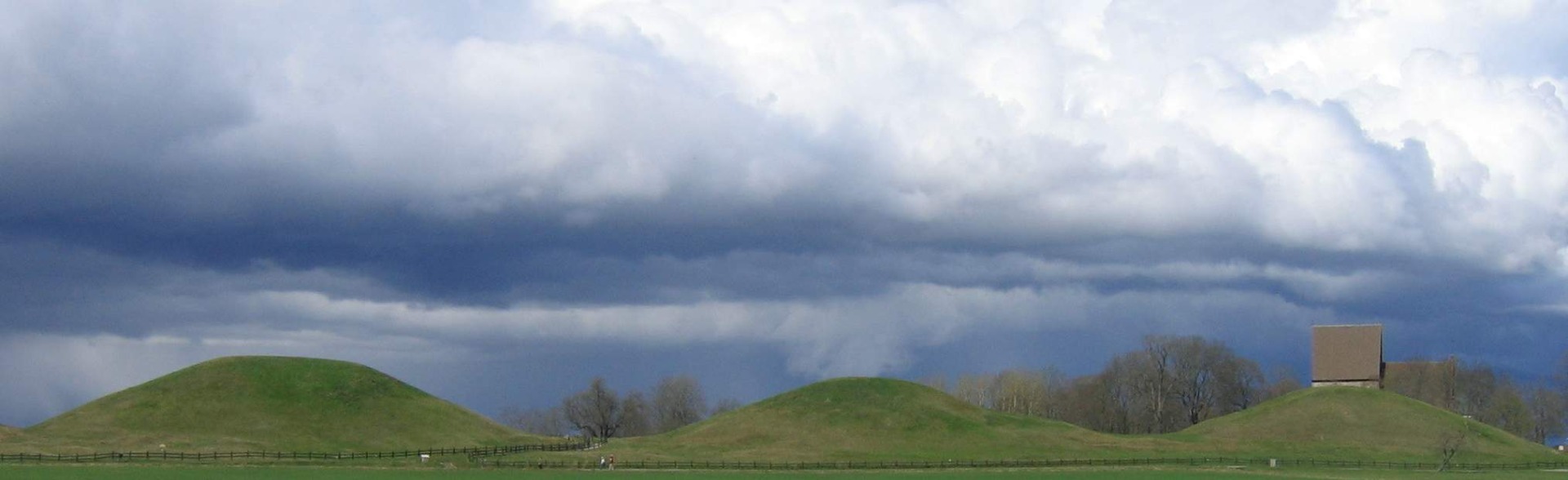
The logo was inspired by the three royal burial mounds at Gamla Uppsala, in Sweden, an iconic historical and archaeological site of Norse culture, whose wooden architecture is considered among the most advanced and innovative in medieval Europe.
Il logo è stato ispirato dai tre tumuli funerari reali di Gamla Uppsala, in Svezia, un sito storico e archeologico emblematico della cultura norrena, la cui architettura lignea è considerata tra le più avanzate e innovative dell'Europa medievale.
Graphic Design
The logo is a graphic stylization of the acronym MWA, using a modular triangle repeated 4 times, highlighting the letters WA, and isolating the A, to clearly distinguish both the three cusps referring to Gamla Uppsala and the three letters of the acronym.
Il logo è una stilizzazione grafica dell'acronimo MWA che utilizza un modulo triangolare ripetuto quattro volte, con il risalto delle lettere WA e isolando la A, per risaltare le tre cuspidi simbolo di Gamla Uppsala, e le tre lettere dell'acronimo.

P R O J E C T S

Krunatun
ITALY 2024

Helfara
ITALY 2025

Dragon Skin
ITALY 2025

Norður
NORWAY SWEDEN DENMARK ICELAND 2026
Stavkirker
NORWAY 2026